
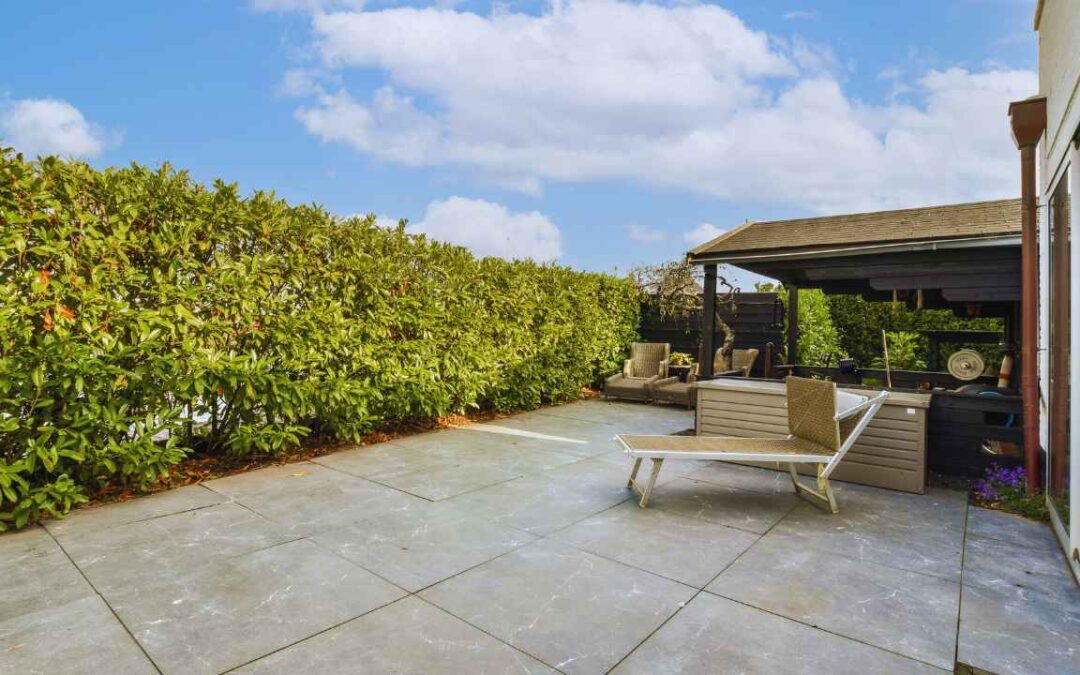
A paver patio is a hardscape surface built from individual concrete, brick, or stone units set over a compacted base and sand bedding. It handles foot traffic, sheds water when built correctly, and adds real use to your backyard. In St. Louis, clay soil swells when wet and shrinks when dry, and winter freeze–thaw cycles push on every joint and edge. Design choices have to account for that movement if you want the patio to stay flat and safe.
This article walks through seven ideas that work in our conditions. You will see how multi-level layouts help on slopes, where permeable pavers control runoff, how rustic stone patterns look at home in Missouri yards, and why herringbone adds stability. We will also cover fire pit seating, raised planter borders for seasonal color, and modern grid looks with grass or gravel infill. The goal is simple: better function, lower maintenance, and a patio that lasts here.
Why St. Louis Homes Need Thoughtful Patio Paver Design
What Makes St. Louis Backyards So Tough on Patios?
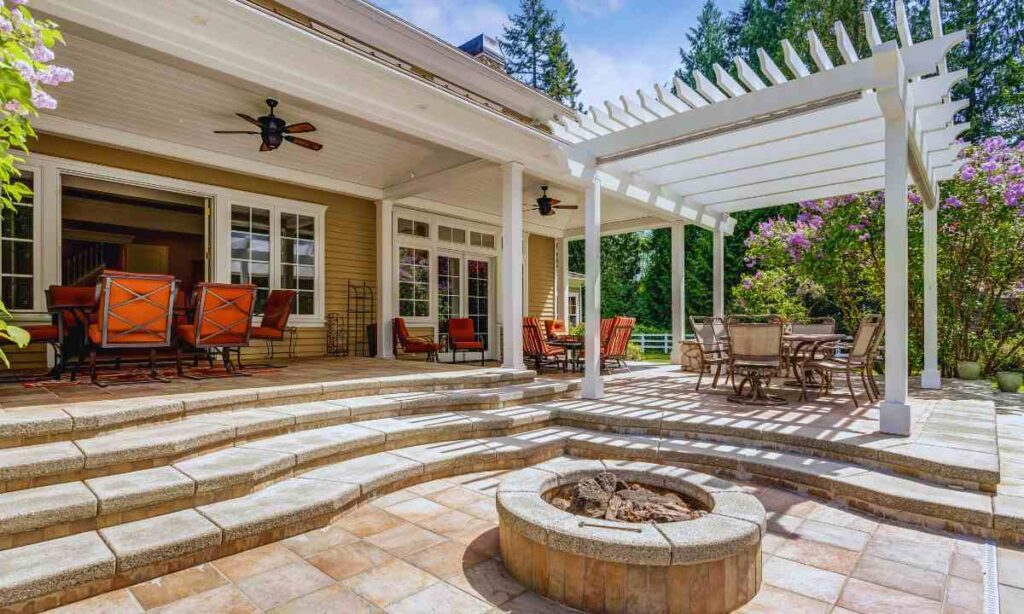
Most St. Louis yards sit on clay soil that shifts with every season. When the soil swells after heavy rain, patios lift. When it dries out, everything settles again. That constant movement is why so many homeowners see cracks form each winter or notice their pavers drifting out of alignment. Older neighborhoods add another wrinkle with tighter lots, mature trees, and drainage paths that were never designed for modern outdoor spaces.
If you’ve asked yourself “Why does my patio crack every winter?” or “Is clay soil bad for pavers?”, these soil and drainage conditions are usually the reason. The patio isn’t failing because pavers are weak it’s failing because the ground under it never sits still.
How Paver Choices Affect Durability and Value in Missouri
The material you choose has a big influence on how well your patio handles clay soil and dramatic temperature swings. Concrete pavers hold tight, clean lines and resist shifting when paired with the right base. Natural stone brings a Missouri-style rustic look but needs careful setting to prevent rocking. Permeable pavers solve one of our biggest issues water. They let storms drain through the surface instead of pooling around the edges.
Long-term upkeep matters too. Humid summers, leaf debris, and freeze thaw cycles all affect how often joint sand, sealing, or edge adjustments are needed. When materials and installation match the yard’s conditions, the patio stays level, keeps its color, and increases outdoor living appeal. That’s a real boost when it comes to resale.
Our pavers are sinking. Was it the base or just bad soil?
Homeowners ask this a lot on Reddit, and it’s a fair question. Most sinking points to base or drainage issues, not “bad soil” alone. A proper build on clay soil uses a thicker, well-compacted aggregate base over a geotextile, a bedding layer that drains, and edges that lock the field in place. If water is dumping from downspouts or pooling along the edge, the best patio will still settle. The fix is usually two parts: correct the water path, then rebuild or lift the affected area with the right base.
7 Stunning Paver Patio Ideas That Work in St. Louis Yards
Paver patios don’t need to be boring slabs. In St. Louis, you’ve got clay soil, hilly backyards, historic homes, and four seasons to consider. Here are seven patio ideas that not only look great they actually work with the quirks of local yards. Whether you’re dealing with drainage issues, slope, or simply want a space that fits the style of your neighborhood, there’s something here worth considering.
1. Multi-Level Paver Patio for Sloped St. Louis Lots
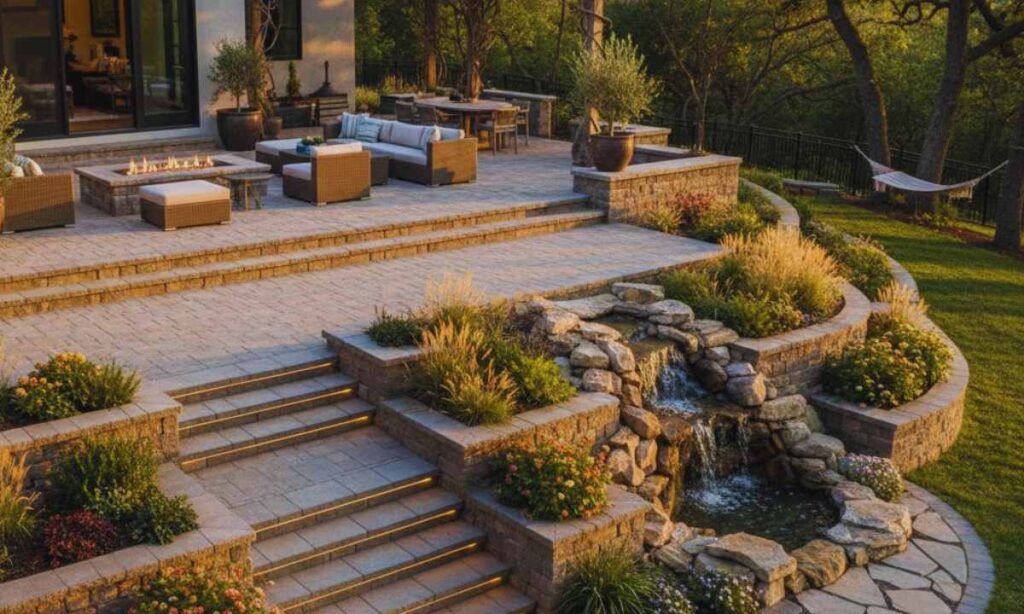
If your backyard isn’t flat and many in areas like Kirkwood or Webster Groves aren’t a multi level paver patio makes smart use of terrain. Instead of fighting the slope, this design embraces it. You can create usable zones: one level for dining, another for a fire pit or lounge chairs. It naturally breaks up space and adds visual interest. Pairing it with retaining walls or tiered garden beds helps manage runoff and prevent erosion on St. Louis’s clay-heavy soil. It also ties in well with native plantings and custom landscape lighting. Use modular concrete pavers or natural stone, depending on the style of your home.
Pro tip: Adding steps between levels makes transitions safer and more functional especially for families or older guests.
2. Permeable Paver Design for Better Drainage
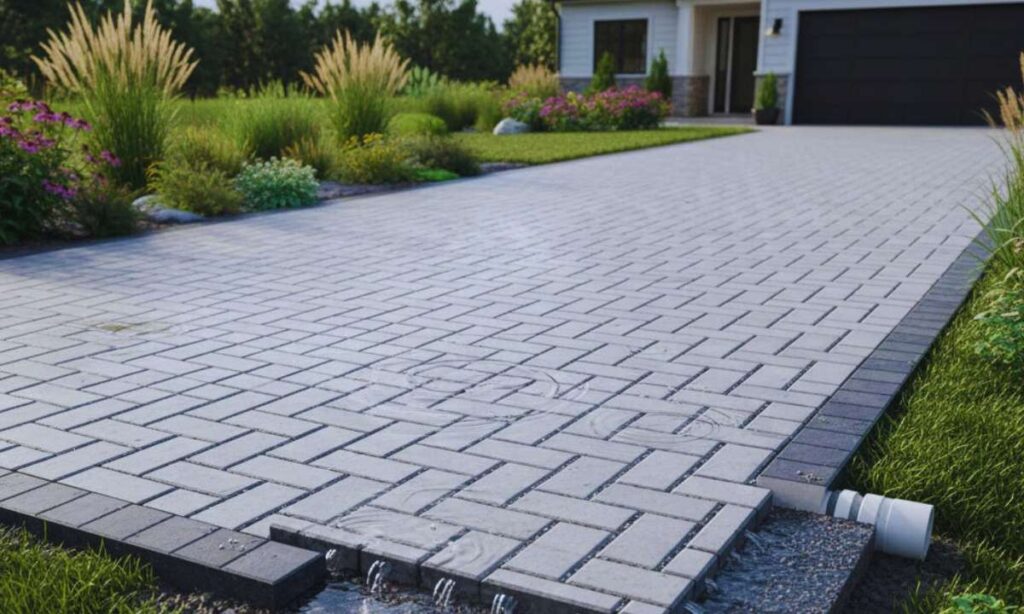
If your yard tends to flood or you just want to be smart about stormwater a permeable paver system is a solid choice. These pavers sit on a gravel base that allows rain to filter into the ground, reducing runoff.
It’s especially useful in neighborhoods like Clayton, where grading can be tricky and hardscapes often sit close to the house. These systems also align with St. Louis County stormwater regulations, making them a smart choice if you’re updating or expanding your patio. You can go modern with grid-style layouts or keep it classic with tumbled cobble textures. Either way, it’s a practical, attractive solution.
3. Natural Stone Patterns for a Rustic Missouri Feel
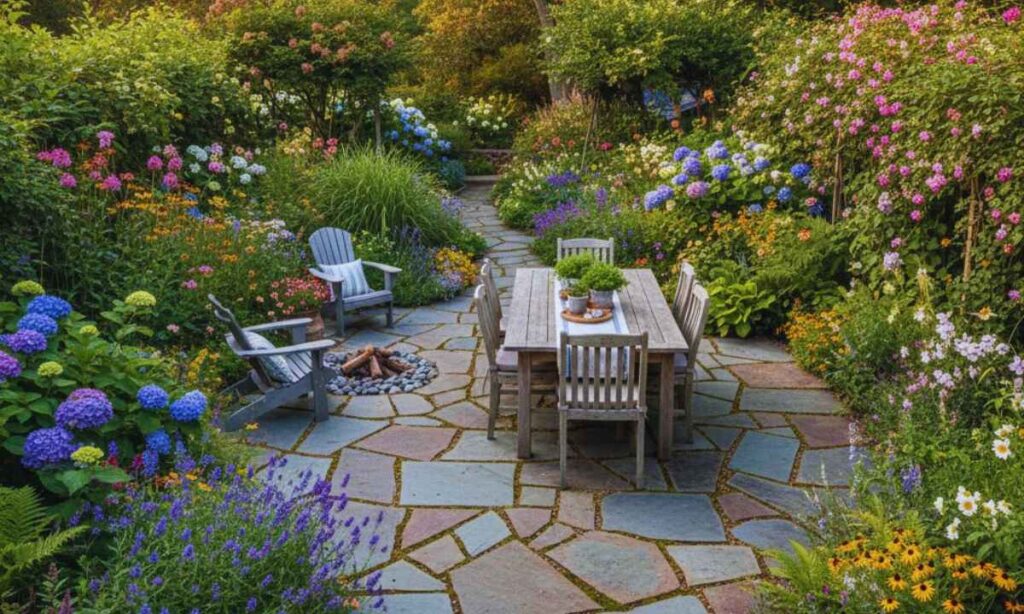
Looking for something timeless? Natural stone pavers especially bluestone or flagstone are a great fit for homes near Forest Park or the Central West End. These materials blend seamlessly with older brick homes and historic landscaping. Keep in mind that stone requires a strong, well-compacted base to prevent shifting especially with Missouri’s freeze-thaw cycles. A mix of large irregular slabs and smaller filler pieces creates that rustic, almost woodland feel. These patios age beautifully over time.
Flagstone pathways also work well as transitions between patio and garden, especially when paired with native Missouri ferns or sedges.
4. Herringbone Layout for Driveway-Strength Stability
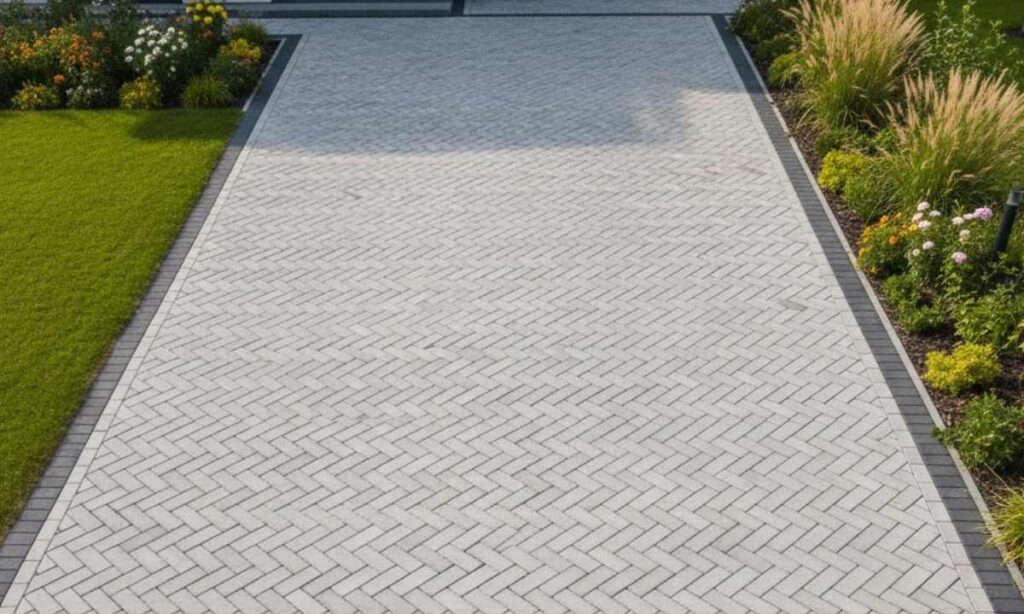
If your patio doubles as a workspace or needs to hold heavy furniture, a herringbone layout is worth a look. It locks pavers together tightly, distributing weight more evenly and preventing shifting on unstable clay soil. This classic pattern looks great with both modern and traditional homes across St. Louis, from Ladue to Affton. Brick-style pavers in earthy tones deliver the most authentic look, but concrete options work well too. This layout is ideal for patios near detached garages or carports where occasional vehicle access is needed.
5. Fire Pit + Seating Wall Integration
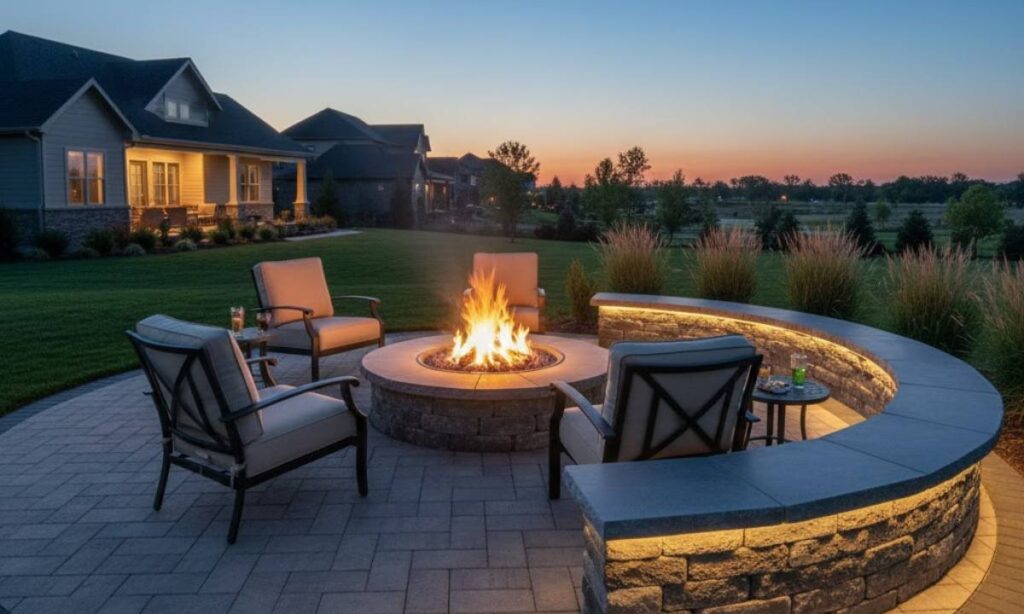
St. Louis winters get cold but that doesn’t mean your outdoor space goes unused. A built-in fire pit with a surrounding seating wall keeps the party going year-round.It’s perfect for patios in Oakville or Des Peres, where backyards often offer enough space for a circular or square layout. Interlocking concrete pavers or veneer stone help match the fire pit design to your existing patio. Add low-voltage lighting to the seating wall and tuck wood storage underneath.
Can I add a fire pit to my existing patio?
Yes—if the base is solid and local fire codes are followed, retrofitting is usually possible.
6. Raised Border Planter Integration for Seasonal Color
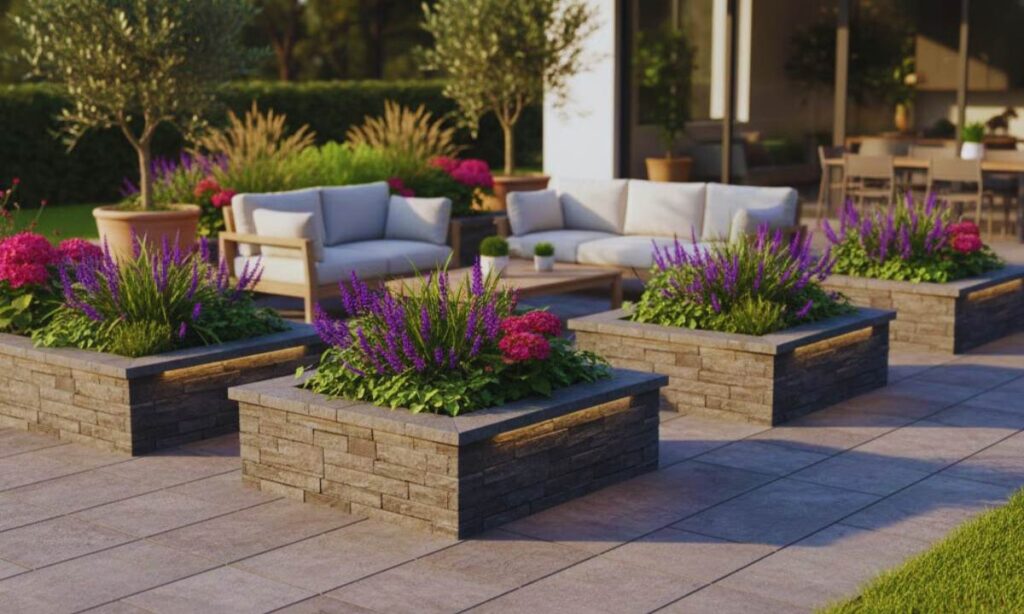
Want to soften the look of a stone patio? Build in raised planter beds along the edges. It’s a great way to frame the space and introduce color with Missouri native plants like coneflowers, black-eyed Susans, and little bluestem. Planters also help absorb runoff and direct water away from the home’s foundation especially important in St. Louis’s older housing stock. This detail blends function and form in a compact footprint.
Choose materials that match or contrast your patio for extra visual pop.
7. Modern Grid Pavers With Grass or Gravel Infill
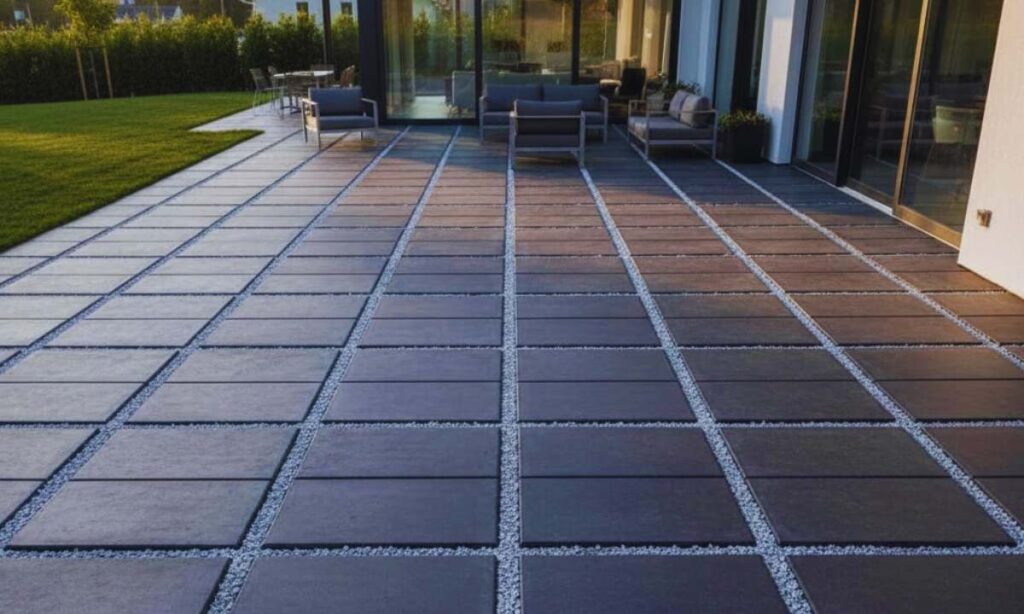
For homes in Chesterfield, Cottleville, or newer suburbs, clean lines and low-maintenance materials are key. Large-format pavers laid in a grid pattern with grass or gravel joints offer a contemporary look without sacrificing practicality. This layout improves drainage and avoids the heat buildup of full concrete slabs. The infill also breaks up the visual mass, making it easier to blend the patio into surrounding lawn or garden space. Try contrasting white gravel or dark river rock between concrete slabs for a high-end designer feel.
Key Design Tips for St. Louis Clay Soil and Weather Conditions
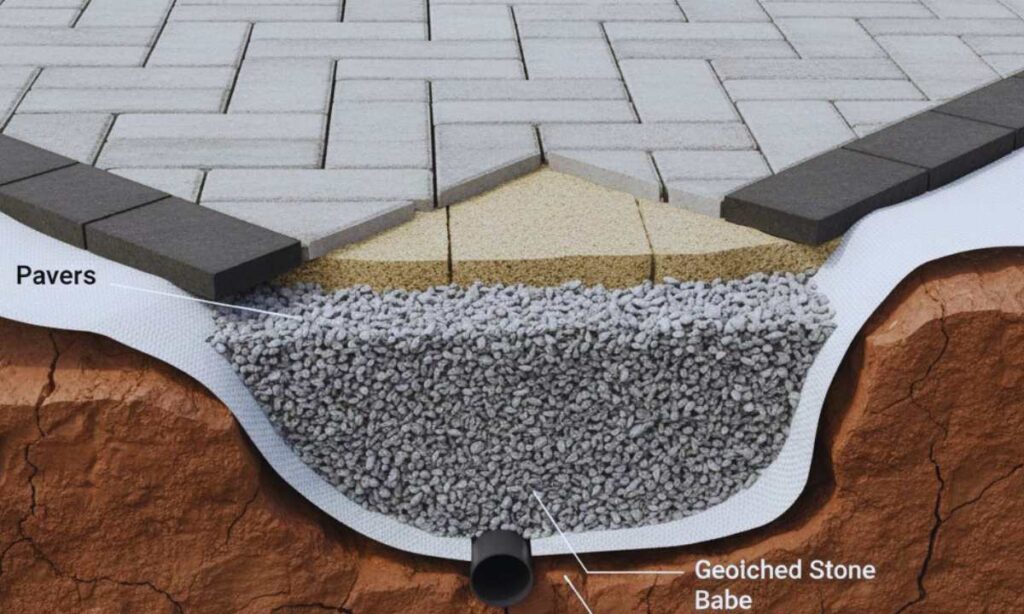
Do You Need a Deeper Base Layer for Clay Soil?
Yes — a deeper base is essential. In St. Louis, our clay-heavy soil expands and contracts with moisture, which can wreak havoc on shallow patio foundations. For long-term stability, aim for an 8–12 inch compacted gravel base, compared to the usual 4–6 inches used on sandier or more stable soils.
Start with a layer of geotextile fabric between the native soil and your base to prevent the gravel from sinking into the clay and to improve drainage. This barrier also helps limit soil shifting during freeze-thaw cycles, which are common throughout our Missouri winters.
Adding a drainage layer of clean gravel (¾” angular rock) underneath the base promotes faster water runoff and keeps hydrostatic pressure from building up under your pavers — a common problem in poorly prepped patios. For professional-grade performance, consider hiring a contractor that specializes in St. Louis paver installation, as they’ll know how to build to local conditions.
How deep should a paver base be on clay soil?
In clay-rich areas like St. Louis, a minimum 8-inch base is recommended to prevent shifting, cracking, or heaving over time.
What Materials Last Longest in St. Louis Climate?
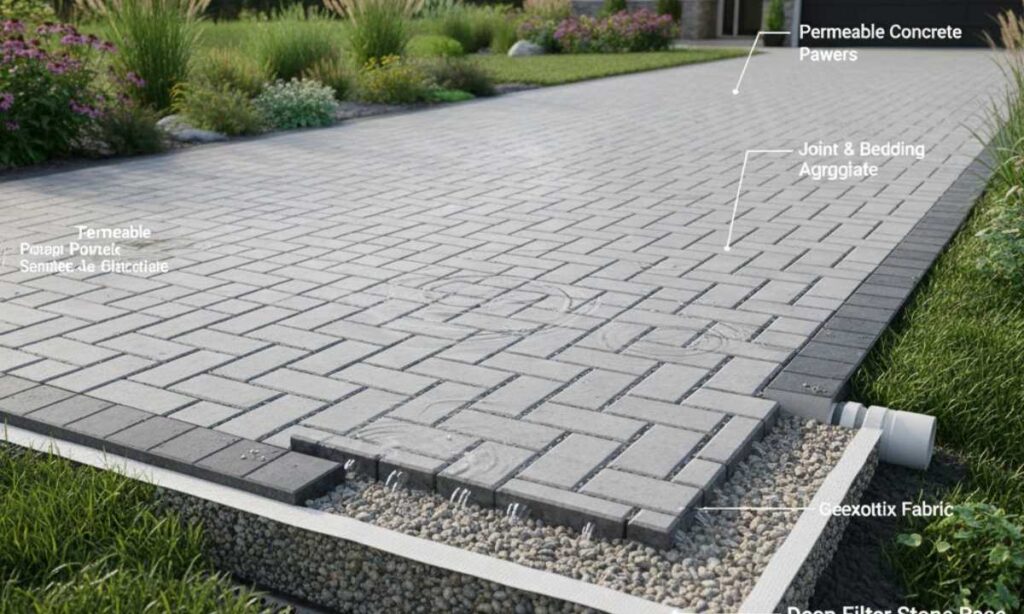
To get a durable patio that holds up to all four seasons, choose materials that handle moisture and temperature swings well:
-
Permeable concrete pavers are ideal — they allow rainwater to pass through, reducing puddling and surface cracking.
-
Sealed natural stone like granite or basalt works well too, offering a timeless look with built-in freeze-thaw resistance.
-
Avoid glazed ceramic tiles or other non-porous materials, which tend to crack or pop loose in extreme cold or moisture.
Want help picking the right paver type? Our St. Louis patio construction experts can guide you based on soil conditions, yard grade, and weather exposure.
Budgeting & ROI: Are Patio Pavers Worth It in St. Louis?
How Much Do Paver Patios Cost in Missouri?
Expect to pay between $18 and $32 per square foot for a professionally installed paver patio in Missouri. This estimate is based on verified 2024–2025 project averages in the St. Louis metro area and includes all key cost factors:
-
Site prep: Clearing sod, excavating, and leveling uneven yards (especially common in places like Webster Groves or Wildwood)
-
Materials: Costs vary by paver type concrete is more affordable, while natural stone runs higher
-
Drainage solutions: French drains, gravel bases, and permeable pavers add to the total but protect long-term value
-
Design complexity: Multi-level layouts, curves, steps, and built-in features like fire pits or seat walls will increase labor costs
Pro tip: Get multiple quotes from local contractors costs can swing depending on yard conditions, access, and seasonal demand.
Will a Patio Improve Home Value in St. Louis?
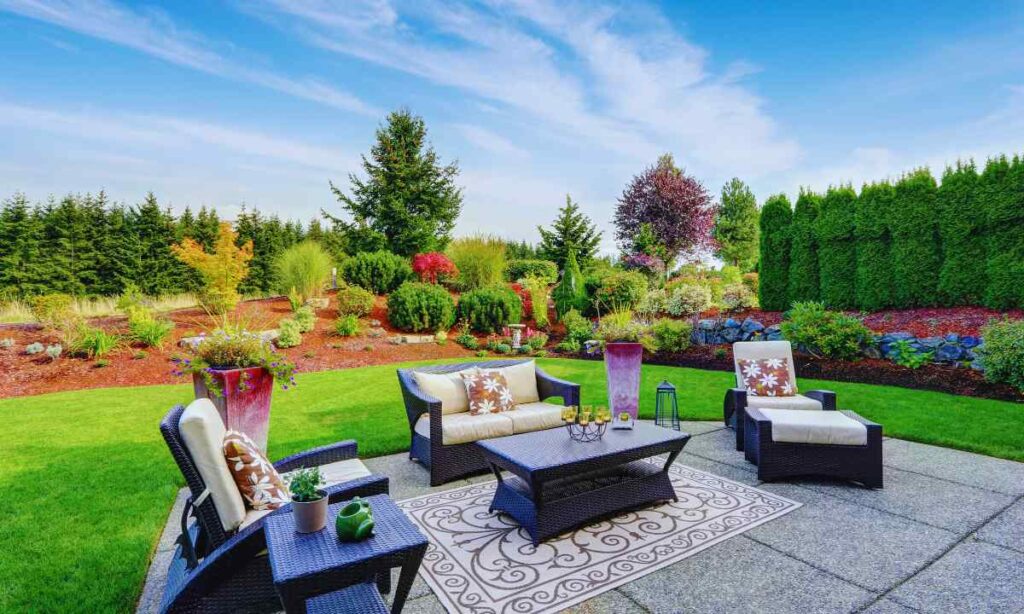
Yes — paver patios typically deliver a 55% to 70% return on investment (ROI) for St. Louis homeowners, depending on size, quality, and features.
In areas like Chesterfield, Ballwin, and Fenton, where outdoor living is a big lifestyle factor, buyers look for finished backyards. A well-designed patio offers:
-
Instant curb appeal from listing photos
-
Functionality for families, pets, and entertaining
-
Compatibility with upgrades like outdoor kitchens or decks
Pairing a paver patio with a retaining wall or integrated landscaping can boost ROI even more especially on sloped lots. Not only does it create usable space, it shows buyers the yard has been designed with purpose and drainage in mind.
Thinking long-term? Pavers also require less maintenance than wood decks and don’t rot or warp in our humid summers, making them a smart investment for durability and resale.
FAQs About Designing Paver Patios in St. Louis
What’s the Best Time of Year to Install a Patio in Missouri?
Late spring or early fall is ideal for patio installation in St. Louis. These seasons offer:
-
Stable temperatures (no freeze-thaw ground movement)
-
Less extreme humidity and heat compared to midsummer
-
Better working conditions for compacting clay-heavy soil
Avoid early spring, when the ground is too wet, or peak summer, when high heat can impact curing and worker safety. For better understanding you can our read about guide on best time to install pavers in St. Louis.
Can I DIY a Paver Patio on Clay Soil?
Yes — but it’s risky. St. Louis soil is notoriously dense and moisture-retaining. If the base isn’t compacted properly, the patio may sink, shift, or heave within a year.
Here’s what often goes wrong with DIY builds:
-
Skipping geotextile fabric
-
Using too shallow a base (less than 8″)
-
Ignoring grading and drainage around the home
If you’re set on doing it yourself, at least consult a local hardscape contractor for soil prep and base guidance. A failed patio will cost more to fix later.
Do I Need a Permit to Build a Patio in St. Louis County?
It depends. Permit requirements vary by municipality across St. Louis County. For example:
-
In many cities, no permit is required if the patio is under 200 sq ft and not attached to a structure
-
For larger patios, decks, or anything requiring footings, you’ll likely need one
-
HOAs may have additional design or material restrictions, even if your city doesn’t require a permit
Always check with your local building department before starting and ask your contractor to handle the paperwork if needed.
Choose a Paver Patio That Matches Your Lifestyle
In St. Louis, building a patio isn’t just about picking pavers that look good in a brochure it’s about choosing a design that actually works with your yard’s soil, slope, and how you live outdoors. If your lot is uneven, a multi-level layout with drainage control may be the best call. If your clay soil holds water after storms, permeable pavers can keep your foundation safe. If you’re planning to host family dinners or quiet evenings around a fire pit, the right layout and material will make all the difference long-term.
Remember: Functionality, proper base prep, and weather-smart design directly impact your ROI. A patio that cracks or shifts after the first winter isn’t an upgrade it’s a liability. But a patio that holds up through St. Louis seasons, fits your lifestyle, and adds resale appeal? Your patio should fit your yard not just a catalog photo. If you’re ready to explore ideas that make sense for your property, take the next step with trusted paver patio contractors in St. Louis. The right team will help you design smarter, build stronger, and get more from every square foot.